
Important: This article is intended to provide general information and is not legal advice. The facts of every legal matter are different, and the law itself can change. For advice about your specific legal question or situation, MNLRIS recommends consulting with a licensed Minnesota attorney who can apply current Minnesota law to the facts of your case.
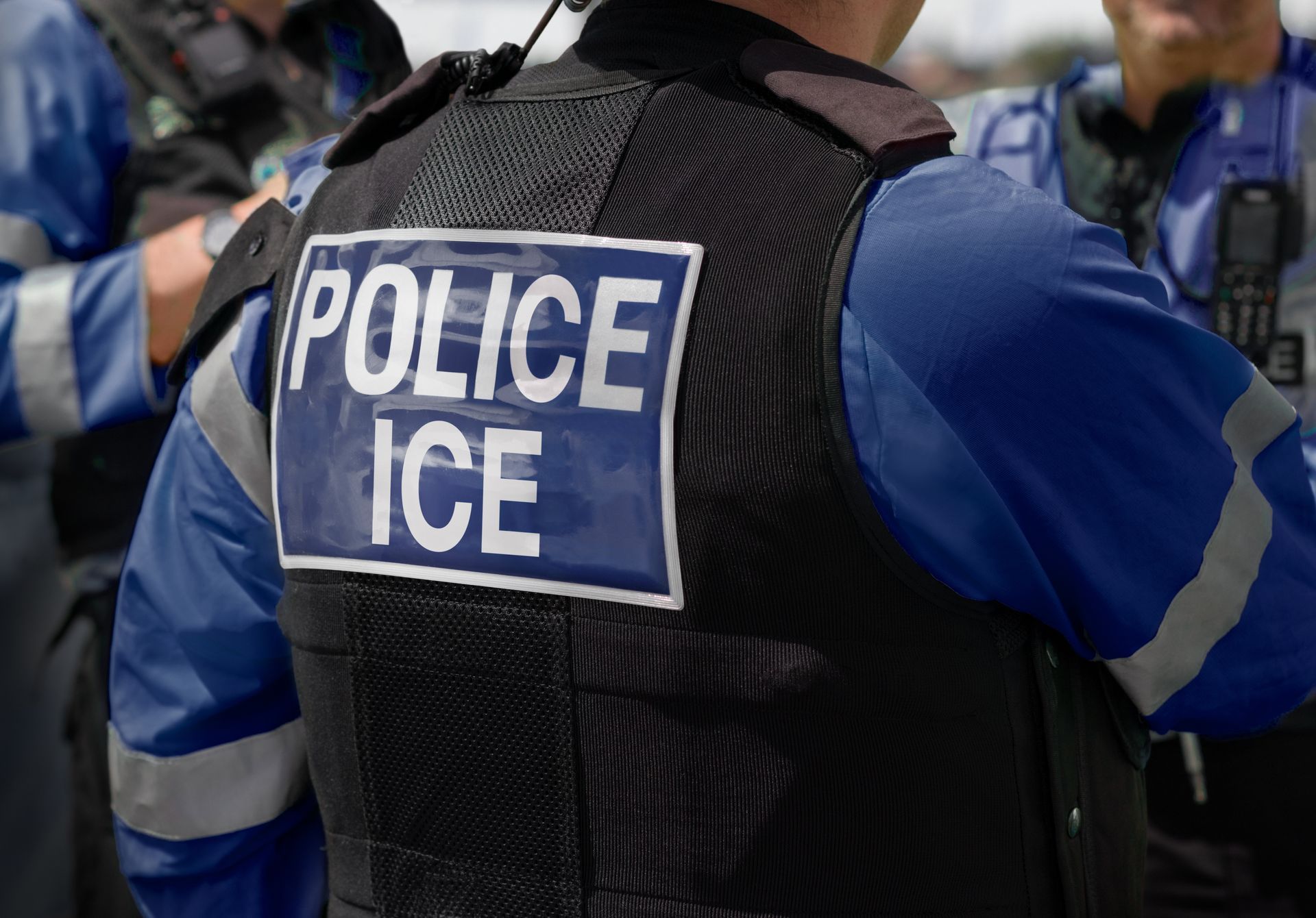
Interactions with law enforcement, whether local police or federal officers like Immigration and Customs Enforcement (ICE), can carry risks. The law protects everyone’s constitutional rights, but those laws aren’t always enforced fully or properly.
Although civil rights violations appear to be happening at an alarming rate on Minneapolis streets, it’s important to understand that sometimes people do engage in conduct, such as resisting or interfering with officers, that could lead to lawful arrest or criminal charges.
Peaceful Observation vs. Interference
You generally have the right to be in public and observe law enforcement, including federal agents such as ICE, and to record their actions. But being physically present near an enforcement action can be risky.
If officers believe your actions are interfering with their duties, for example, by blocking their movement, ignoring lawful orders or getting too close to operational activity, you can be arrested or detained for obstruction or interference with a federal officer. This can occur even if you did not intend to break the law.
A federal judge has recently barred ICE from arresting peaceful observers without a reasonable basis to suspect criminal activity, but that conflict itself is currently the subject of litigation and isn’t a guarantee of protection in every encounter.
What Rights You Have During an ICE or Law Enforcement Encounter
You Have the Right to Remain Silent and Refuse to Answer Certain Questions
You have a constitutional right to remain silent and to refuse to answer questions about your immigration status or how you entered the country. But exercising that right does not automatically guarantee you will be released on the spot.
Immigration detention is a civil immigration matter, not a criminal arrest, and can last until an immigration judge reviews the detainee’s situation. If you believe you’ve been detained in error, speaking with an attorney as soon as possible is crucial.
You Have the Right to Refuse Consent to Searches of Your Person, Vehicle and Home
You do have the right to refuse a search of your person, your car, or your home if officers do not have probable cause or a warrant, but you should not physically resist if they attempt an unlawful search.
An ICE administrative warrant is not the same as a valid judicial warrant signed by a judge and doesn’t by itself give them authority to search without permission.
You Have the Right to a Lawyer
Immigration detention operates under a different legal system than criminal arrest, and people are sometimes held for hours or days before speaking with a lawyer. If access to counsel is denied, that denial itself may violate constitutional or civil rights, but those violations are typically challenged after the fact through attorneys, courts or civil rights complaints.
You Have the Right to Record Officers in Public
In general, you may record law enforcement, including ICE agents, in public spaces as long as you do not interfere with their duties or impede their work. Federal and circuit courts have treated filming as protected First Amendment activity.
Free Speech Protections for Protestors
Courts have long held that mere profanity, epithets or verbal criticism alone generally cannot justify arrest or criminal prosecution just because the words were offensive. Courts have held that police typically cannot arrest someone solely for what they said, unless the speech fits within narrow unprotected categories such as fighting words or true threats.
Where Your Rights Do Not Protect You
If You Commit an Illegal Act During the Encounter
Even if you believe your rights are being violated, any physical resistance, attempts to stop officers or obstruction of their activities can be criminally charged. For example, pushing away an officer or grabbing at equipment can lead to arrest and prosecution, even if the original stop seemed unfair.
That’s why advocates emphasize staying calm, following instructions and asserting rights verbally, not physically.
What to Do During the Encounter to Protect Your Rights and Reduce the Risk of Escalation
- Stay calm and keep your hands visible.
- Do not run, physically resist or interfere.
- Do not provide false documents or lie about your status.
- You can say “I choose to remain silent” and “I want a lawyer,” but be aware that doing so can lead to prolonged detention.
- If asked to search your belongings, you can refuse consent.
- If approached at home, ask the officers to show the warrant in a way that lets you read it without opening the door, such as holding it up to a window or presenting it through a mail slot or peephole.
If you are detained, follow instructions but keep in mind you still retain your right to a lawyer before answering questions.
ICE Warrants Are Not Judicial Warrants
Most “warrants” used by ICE agents during interior enforcement operations are administrative warrants issued by the Department of Homeland Security or an ICE officer, not by a judge or magistrate. These administrative documents may authorize ICE to arrest a named person but do not, by themselves, give ICE legal authority to enter a private home and search without consent.
What If Law Enforcement Says They Have Probable Cause to Search You?
If officers believe they have probable cause, they can conduct a search without your permission. Whether that belief holds up in court is a separate legal question, but resisting physically in the moment can escalate the situation or lead to additional charges.
What to Do After an Encounter You Believe Violated Your Rights
Record and Remember What You Can
- Write down what happened as soon as possible, including where you were, the date and time, what was said and how officers behaved.
- Preserve evidence like videos, photos, screenshots and written notes.
- Collect witness information when it’s safe to do so, including names, descriptions and contact info of anyone who saw the incident.
Chaotic situations combined with officers wearing masks and aggressively attempting to prevent recording can make documentation difficult. Even imperfect documentation can be valuable later if you or an attorney pursue a complaint, civil rights claim or other review of the incident.
File a Complaint
You can file a complaint with the agency involved or with independent civil rights groups. The American Civil Liberties Union (ACLU) of Minnesota and other legal advocacy organizations are actively tracking reports of potential wrongful detentions or unlawful conduct by federal agents.
Consult an Attorney
Speak with an experienced civil rights or immigration attorney as soon as possible. They can help you understand whether the officers’ actions may have violated your rights and what legal options you have.
What’s Legal Isn’t Always Safe
You have the legal right to remain silent, to film law enforcement in public and to refuse consent to a search. You also have the right to verbally criticize officers, even with strong or offensive language, as long as your words don’t cross into threats or physical interference.
But exercising those rights can still carry risks, especially in high-stress or chaotic situations.
Officers may misinterpret your actions or respond inappropriately due to poor training, bias or confusion. You could be detained, handcuffed or charged, even if the arrest doesn’t hold up in court.
Knowing your rights is important, but acting on them in a way that doesn’t escalate a volatile situation is also important. Staying calm, assertively stating your rights and seeking legal help afterward can protect you far better than reacting physically in the moment.
A Minnesota Lawyer Referral and Information Service (MNLRIS) referral counselor can help you find and schedule a consultation with a qualified civil rights or immigration attorney in the Minneapolis–St. Paul area. Call 612-752-6699 or use our self-referral service to get started.