Important: This article is intended to provide general information and is not legal advice. The facts of every legal matter are different, and the law itself can change. For advice about your specific legal question or situation, MNLRIS recommends consulting with a licensed Minnesota attorney who can apply current Minnesota law to the facts of your case.
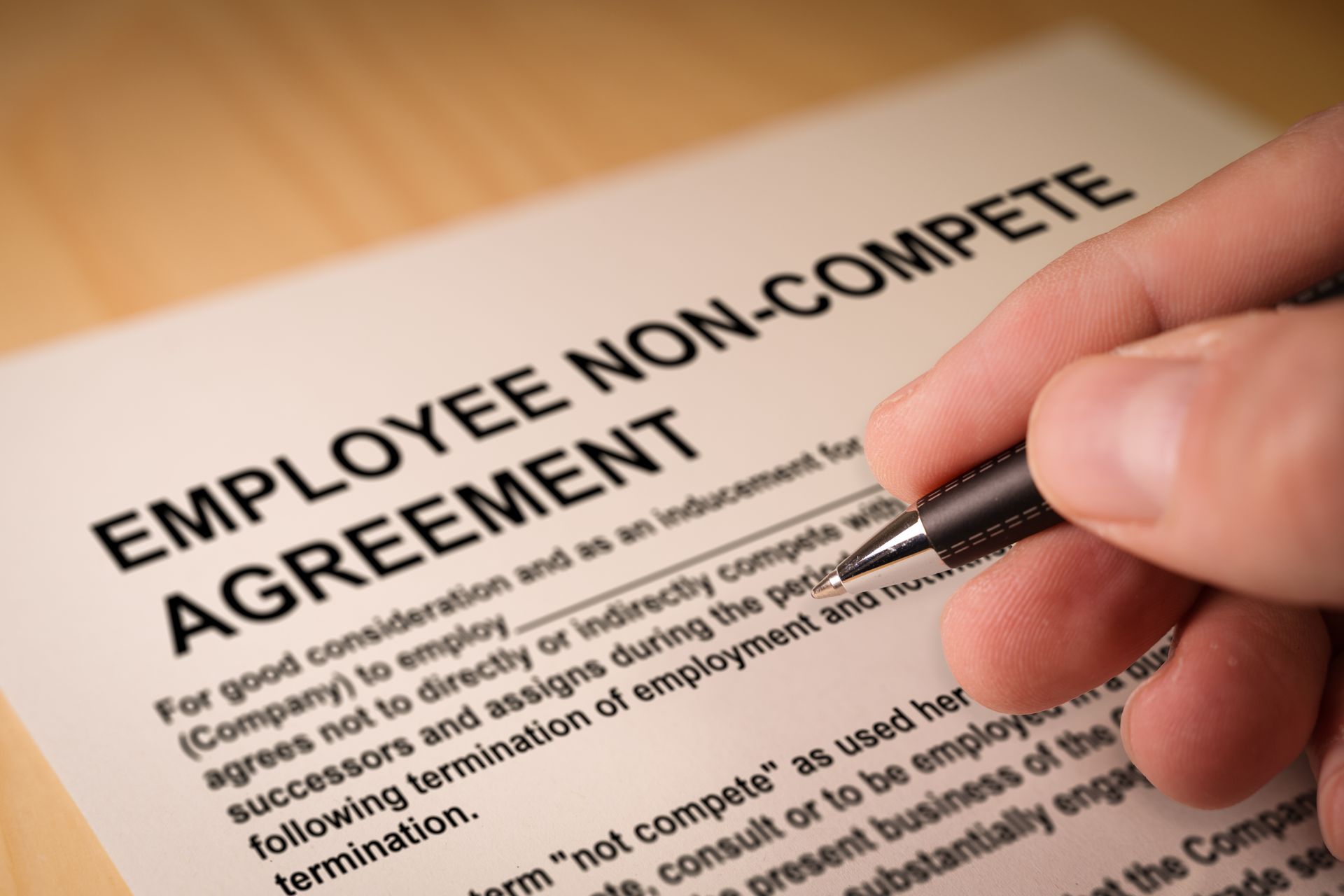
For decades, noncompete agreements were a routine part of many job offers. Whether someone was starting a tech role, a sales position or a mid-level management job, they might be asked to sign a contract saying they wouldn’t work for a competitor for a year or more after leaving.
These clauses were often overly broad or confusing and applied to jobs that didn’t seem to justify noncompetes. Even when they weren’t enforced, they still worked as deterrents, making workers think twice before exploring new opportunities.
Minnesota’s 2023 ban on most noncompetes was a significant shift, but the old noncompetes have been replaced with different clauses that can still get some workers into legal and financial trouble.
What Minnesota’s Noncompete Ban Changed and What It Didn’t
As of July 1, 2023, Minnesota law prohibits almost all new noncompete agreements between employers and employees or independent contractors. Employers cannot prevent someone from taking another job based on a geographic area, time period or role similarity unless one of two narrow exceptions applies:
- The noncompete is part of the sale of a business
- The noncompete is entered into during the dissolution of a business
Importantly, the law does not apply retroactively. If someone signed a noncompete agreement before July 1, 2023, that agreement might still be valid and enforceable, depending on the specific language and context. That means some Minnesota workers could still face legal consequences if they violate a pre-ban noncompete.
Some employers might still use older boilerplate language that includes noncompete terms, especially if they haven’t updated their contracts since the ban. Even though those clauses cannot be enforced for agreements signed after July 1, 2023, they can still cause confusion for workers who aren’t aware of the law.
The Clauses Employers Are Using to Replace Noncompetes
Some employers do have proprietary information they have an interest in protecting from competitors. There are alternative restrictive clauses businesses can include in contracts to limit what a departing employee can do.
- Nonsolicitation agreements restrict former employees from trying to bring clients or coworkers to a new employer.
- Nondisclosure agreements (NDAs) limit what types of information employees can share about the business, including client lists, marketing strategies, pricing models or internal operations.
- Training repayment clauses require employees to reimburse employers for certain training costs if they leave within a specific timeframe.
- Intellectual property clauses clarify who owns work product created during the course of employment. They may limit a former employee’s ability to reuse tools or processes elsewhere.
These agreements aren’t considered noncompetes under Minnesota law, so they’re still enforceable.
What Happens If a Noncompete or Similar Clause Is Violated
For anyone still under a pre-ban noncompete, violating that agreement could lead to serious consequences, including cease-and-desist letters, lawsuits or financial penalties, depending on the terms of the contract.
On the flip side, if an employer tries to enforce a noncompete signed after July 1, 2023, they could face legal action. Minnesota law allows employees to seek injunctive relief and recover attorney fees if they’re forced to defend against an illegal noncompete.
In either case, courts can choose to sever the illegal language from a contract without invalidating the entire agreement.
Common Ways Workers Violate Employment Clauses
Many employees assume that if they’re not bound by a noncompete, they’re free to take whatever knowledge or contacts they’ve gained to a new job. That’s not always true. Workers can still face legal consequences for:
- Sharing proprietary or confidential information with a competitor
- Taking internal data, customer lists or protected processes to a new employer
- Soliciting former clients or coworkers in violation of a nonsolicitation clause
- Using trade secrets or intellectual property developed during their previous job
The lack of a noncompete doesn’t eliminate all restrictions. It’s important to understand what’s still in effect based on your employment contract.
What to Do If You’re Unsure About Clauses in Your Employment Contract
If you're changing jobs, or considering starting your own business, it’s worth reviewing any employment agreements you've signed. Some may contain enforceable clauses even if they’re not labeled as noncompetes. Others might include outdated language that’s now void but still causes confusion.
If you’re unsure what your contract allows or prohibits, speaking with an employment attorney can help. Use our self-referral service to find a Minneapolis attorney, or call (612) 752-6699 to speak with a referral counselor.